Core service
Property Insurance Appraisal
Independent evaluation of the amount of loss, including repair scope, measurements, pricing, estimate differences, and documentation relevant to the appraisal assignment.
See the appraisal process →
Independent property loss appraisal, detailed estimating, and claim documentation for homeowners, commercial property owners, contractors, attorneys, and other claim professionals throughout Alabama.
Scope, measurements, pricing, repair methodology, estimates, and supporting claim documentation.
When a property claim involves a disagreement over the amount of loss, simply comparing two bottom-line totals may not explain why the estimates are different. Alabama Insurance Appraiser focuses on the details behind those numbers.
A meaningful valuation review may require careful attention to damaged materials, dimensions, repair sequencing, labor, unit pricing, access, matching considerations, estimate line items, and other information that affects the cost of returning the property to its pre-loss condition.
The goal is to organize those differences into a clear appraisal position supported by property-specific documentation. As an Alabama Insurance Appraiser service, the focus remains on the amount of loss and the appraisal framework stated in the insurance policy.
The same type of storm can produce very different repair scopes depending on the building, materials, exposure, and actual damage present.
Services are designed to help organize property-loss information and evaluate valuation differences in a format that is useful during appraisal and estimate review.
Independent evaluation of the amount of loss, including repair scope, measurements, pricing, estimate differences, and documentation relevant to the appraisal assignment.
See the appraisal process →
Detailed property-loss review for office, retail, multi-family, church, institutional, and other commercial building assignments where scope and valuation are disputed.
Discuss a commercial loss →Structured line-item estimating can help identify exactly where competing scopes and pricing differ. Detailed estimates also make it easier to review quantities, labor, materials, and related repair items.
Digital property capture can support a more organized visual record of rooms, layouts, dimensions, and damaged areas when Matterport or other documentation tools are appropriate for the assignment.

Roofing systems, siding, gutters, exterior finishes, interior water intrusion, code-related work, access, sequencing, and matching conditions can all affect a property-loss estimate. A detailed appraisal review looks beyond the headline damage and evaluates the complete repair scope.
Alabama Insurance Appraiser can be positioned for a wide range of property-loss assignments, with the valuation approach adapted to the building and damage involved.
Roofing, siding, windows, doors, gutters, finishes, and related building-envelope repairs.
Roof coverings, metal components, soft metals, exterior finishes, and associated repair scope.
Drywall, flooring, cabinetry, insulation, paint, trim, contents interfaces, and affected assemblies.
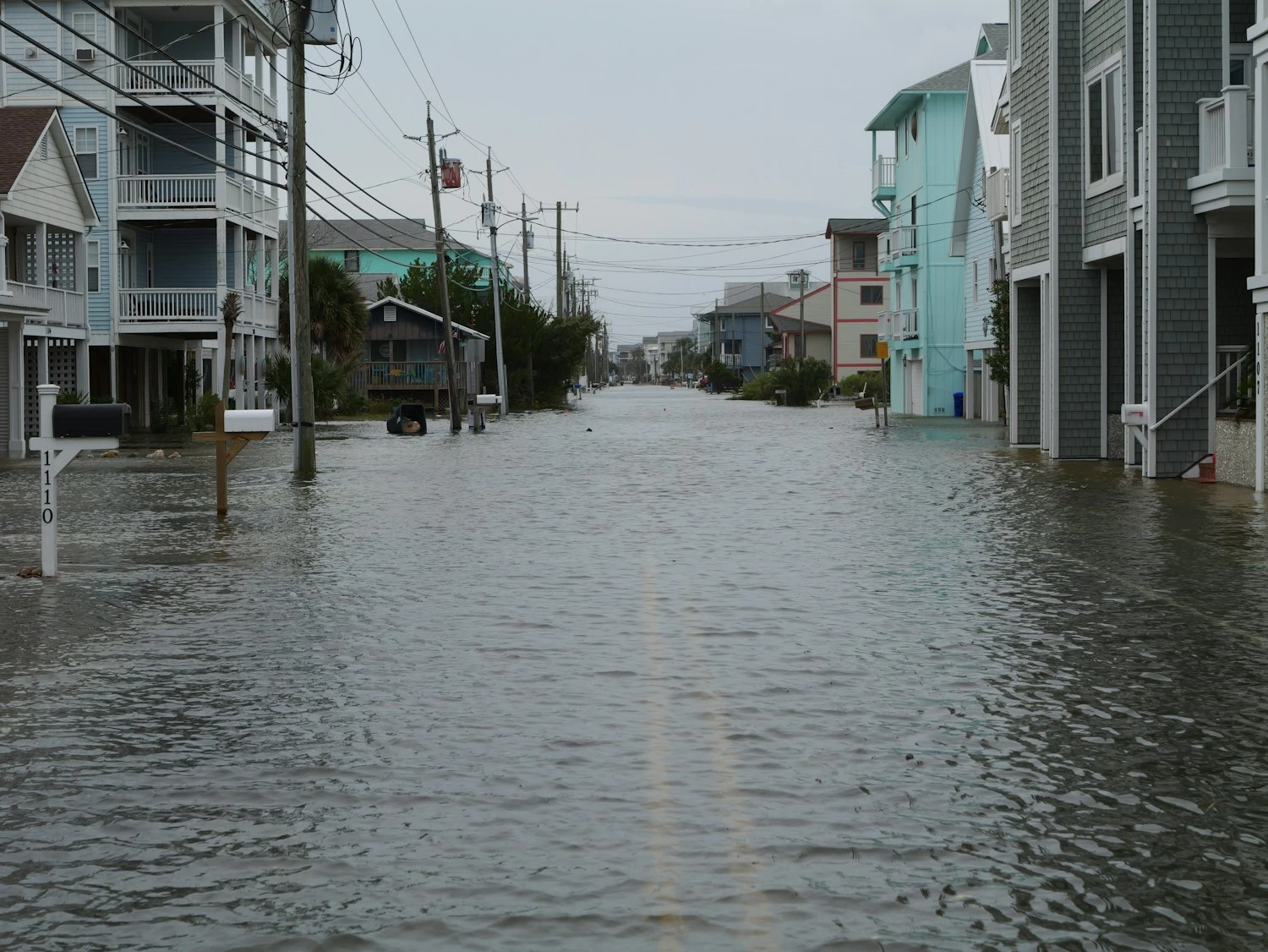
Structural components, interior finishes, cleaning, demolition, restoration, and repair sequencing.
Single-family homes, townhomes, condominiums, rental properties, and related structures.
Retail, office, apartment, church, industrial, institutional, and other commercial properties.
Share the property location, type of loss, and basic details about the valuation disagreement. We can discuss the appraisal, estimating, or documentation service that may fit the assignment.